
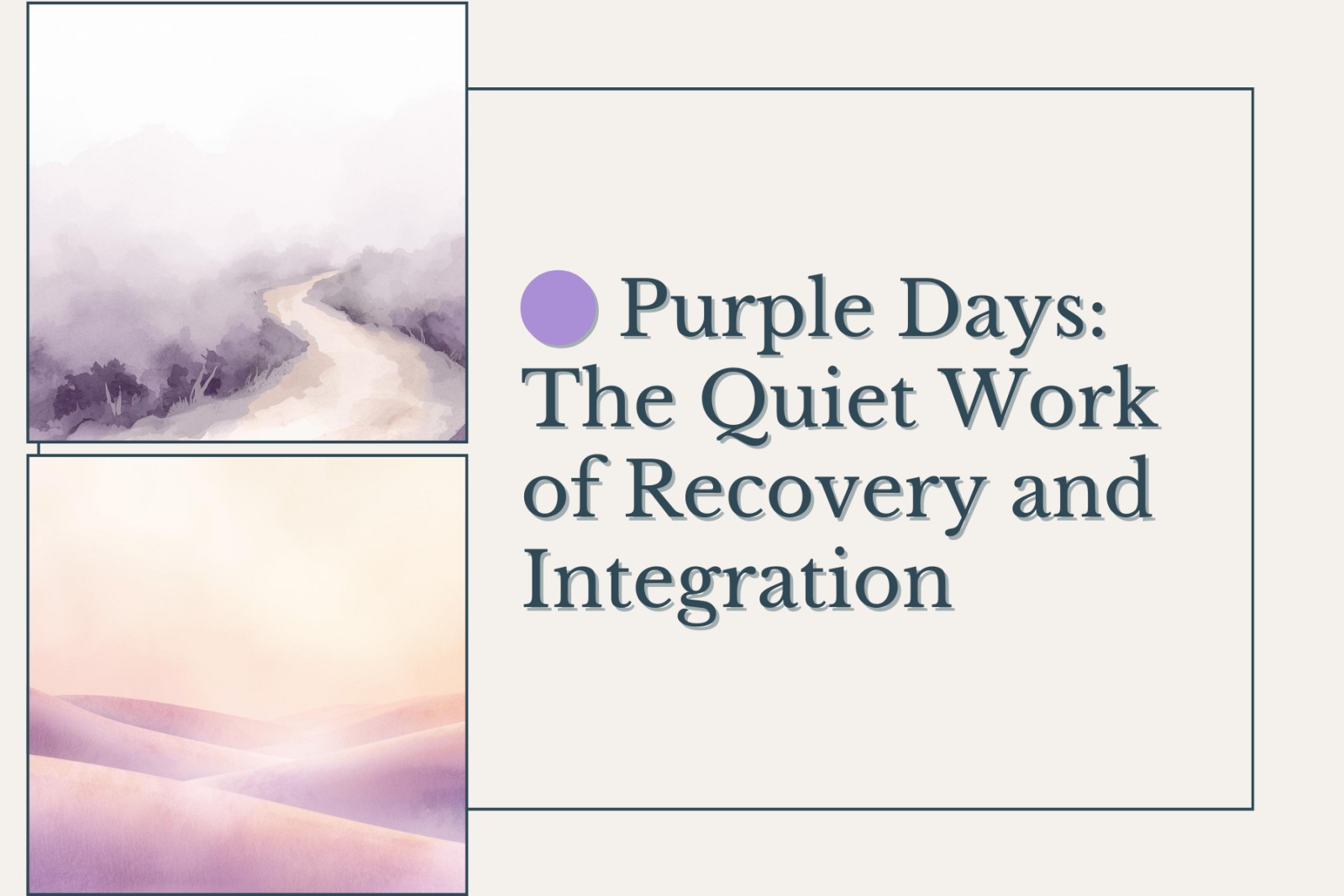
TL;DR: Purple days usually show up after a Red day (panic/flare) or after you’ve been pushing for a long time. You might feel a little more energy, but your feelings are closer to the surface. Purple isn’t a problem to fix. It’s your body and nervous system slowly coming back online. What helps most is space, gentle support, and a slow return to normal life—without pressure.
Purple days often arrive after Red—or after long periods of pushing.
They’re not dramatic.
They’re tender.

What Purple Feels Like
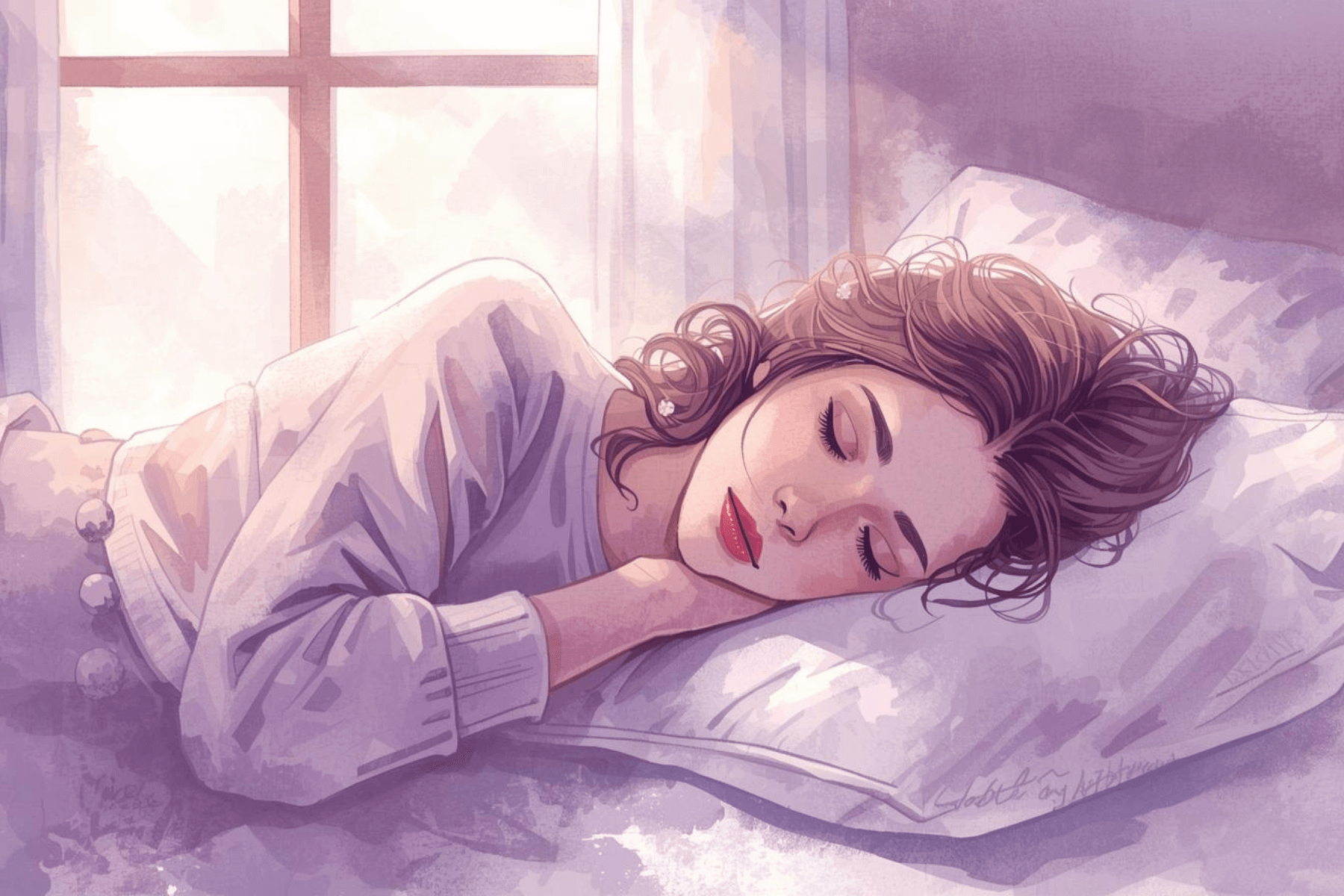
On Purple days:
- Energy may be slowly returning
- Emotions feel closer to the surface
- You may feel reflective or unexpectedly emotional
And it can feel confusing because you might look “fine” from the outside, but inside you feel soft, raw, or easily moved.
You might cry at a commercial. Or feel emotional after a normal conversation. Or suddenly think about something that happened weeks ago and feel it in your body like it just happened.
This is integration—not weakness.
Integration means your system is processing what it just lived through. If you’ve had a flare, a panic cycle, a stressful stretch, or you’ve been in survival mode for a while, your nervous system doesn’t just snap back instantly.
Purple is that in-between space: not crisis anymore, but not fully “back to normal” either.
Purple days can also show up after a long time of doing too much. You may have been saying, “I’m okay, I can handle it,” while your body was quietly keeping score. Then, when you finally slow down, all the feelings you didn’t have time to feel start to rise.
This doesn’t mean you’re going backward. It usually means you’re coming back.
What Purple Needs
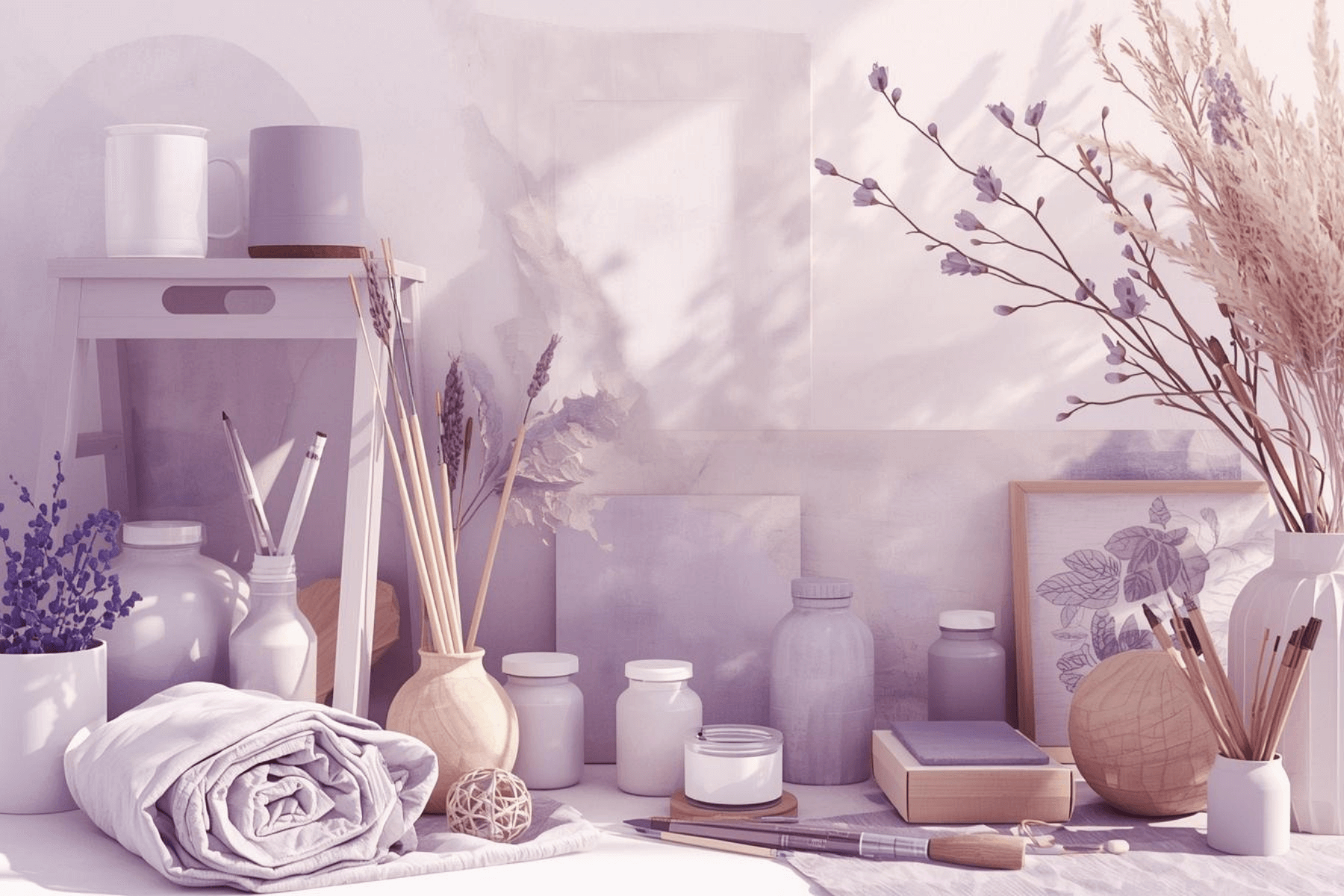
Purple days need:
- Spaciousness
- Emotional witnessing
- Slow re-entry into the world
Spaciousness means you leave room in your day. Not because you’re lazy. Because your system is tender. You might need more breaks, more quiet, and less pressure to “be on.”
Emotional witnessing means your feelings get to exist without being judged, rushed, or turned into a self-improvement project. Sometimes the best support is simply: “This is what I feel right now. I don’t have to fix it. I can let it be here.”
Slow re-entry means you don’t go from “barely surviving” to “back to full speed” overnight. Purple asks for a gentle ramp, not a leap.
Helpful supports:
- Optional reflection (never required)
- Creative expression without outcomes
- Rest that isn’t framed as preparation
Optional reflection might look like gently asking: “What do I need today?” Or “What feels heavy right now?” But it’s optional on purpose. On Purple days, it can be enough to simply notice: “I feel tender.”
Creative expression without outcomes means you do something that lets feelings move through you, without needing it to be good or useful. That could be doodling, coloring, playing music, humming, knitting, or rearranging a small space. You’re not trying to produce. You’re letting your system breathe.
Rest that isn’t framed as preparation is a big one. Purple often gets skipped because rest is treated like a pit stop before you “get back to work.” But Purple rest is not about earning anything. It’s about letting your body land.
If breathing exercises don’t feel good right now, try a sensory support instead: hold a warm mug, wrap in a soft blanket, place a hand on your chest, or splash cool water on your wrists. Simple body signals can tell your nervous system, “We’re safe.”
And if you need a sentence to hold onto, try a R.E.A.L. kind of affirmation (believable even on a hard day):
I don’t have to rush my healing. I can come back slowly.
It makes sense that I feel tender. My body is protecting me.
I can take up space with my feelings, even if I don’t have answers.
A Purple-Day Truth
Purple days teach your nervous system:
“It’s safe to come back.”
That might not sound like a big deal, but it is.
If you live with chronic illness, chronic pain, burnout, or anxiety cycles, your system may have learned that slowing down is dangerous—because when you slow down, you feel everything.
So your brain tries to protect you by staying busy, staying numb, or staying in problem-solving mode. But Purple is the space where your body learns a new lesson: feelings can rise and fall, and you can stay safe while they move.
Purple is also where self-trust gets rebuilt. Not by forcing confidence. But by practicing a new relationship with yourself:
“When I feel tender, I don’t abandon myself.”
“When I slow down, I don’t get punished.”
“When I need space, I’m still worthy.”
Skipping Purple is how people end up back in Red.
Because when you skip Purple, the message your nervous system gets is: “We only slow down when it’s an emergency.” And then the next time stress builds, your system may go straight back into panic, shutdown, or flare.
Purple is the bridge. It’s the soft middle. It’s the part that helps you return to life without crashing again.
If today is a Purple day, you don’t need a big plan. You don’t need to make sense of everything. You don’t need to be inspiring.
You just need to be with yourself in a way that feels kind.
If you want one tiny guide for the day, try this:
- 1) Name it: “This is a Purple day.”
- 2) Soften: Pick one gentle support (blanket, warm drink, quiet music, a slow walk).
- 3) Slow re-entry: Do one small “world” thing (reply to one message, take one shower, step outside for two minutes) and then stop.
Red day option: If you notice you’re tipping back into panic or crisis, pause everything and come back to basic safety and grounding. You’re allowed to need more support.




0 Comments